

What Is PROSTATE CANCER
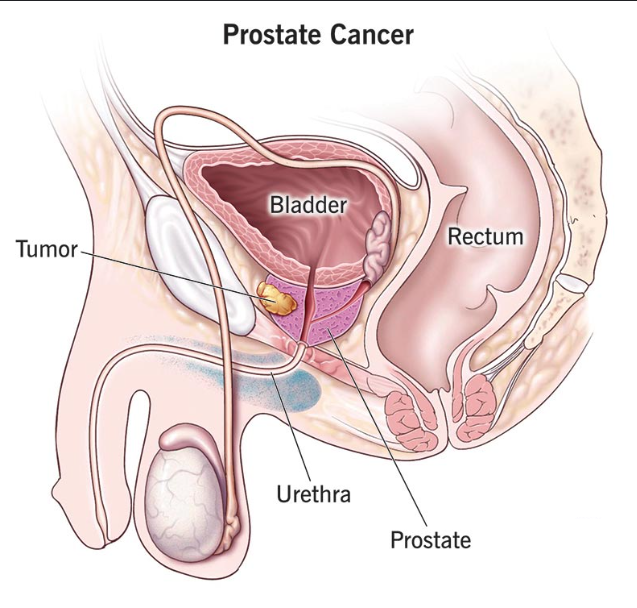
Prostate cancer is a type of cancer that occurs in the prostate gland, a small walnut-shaped gland in men that produces seminal fluid, which nourishes and transports sperm. It’s one of the most common types of cancer in men.
Risk Factors and Symptoms
Risk Factors:
- Age: The risk increases with age, particularly after 50.
- Family History: Having a family history of prostate cancer increases the risk.
- Race: African American men are at a higher risk.
- Diet: A diet high in red meat and high-fat dairy products and low in fruits and vegetables may increase risk.
- Genetics: Certain genetic mutations can increase the risk.
Symptoms:
Early stages of prostate cancer often do not cause symptoms. As the cancer progresses, symptoms may include:
- Urinary Issues: Difficulty urinating, weak urine flow, frequent urination, especially at night.
- Blood in Urine or Semen
- Erectile Dysfunction
- Discomfort in the Pelvic Area
- Bone Pain: Especially in the hips, back, and chest if the cancer has spread.
- Loss of Bladder or Bowel Control: In advanced cases.
Treatment Options:
- Active Surveillance: Monitoring the cancer closely without immediate treatment, often chosen for slow-growing cancers.
- Surgery: Prostatectomy, the removal of the prostate gland.
- Radiation Therapy: Using high-energy rays to kill cancer cells.
- Hormone Therapy: Reducing or blocking testosterone, which prostate cancer cells rely on to grow.
- Chemotherapy: Using drugs to kill cancer cells, usually for advanced cancer.
- Targeted Therapy: Using drugs or other substances to precisely identify and attack cancer cells.
- Immunotherapy: Using the body’s immune system to fight cancer.
Prevention and Management:
- Healthy Diet: A diet rich in fruits, vegetables, and healthy fats.
- Regular Exercise: Maintaining a healthy weight and staying active.
- Regular Screenings: Especially for those at higher risk, to detect cancer early.
Ayurvedic Treatments:
Diet and Nutrition:
- Anti-inflammatory Foods: Include turmeric, ginger, garlic, green leafy vegetables, and whole grains.
- Healthy Fats: Incorporate healthy fats like ghee and olive oil.
- Herbal Teas: Drink herbal teas such as green tea, which may have protective effects.
Herbal Remedies:
- Ashwagandha (Withania somnifera): Supports overall vitality and stress management.
- Turmeric (Curcuma longa): Contains curcumin, which has anti-inflammatory and antioxidant properties.
- Triphala: A traditional herbal remedy that helps detoxify and improve digestion.
Lifestyle Modifications:
- Yoga and Meditation: Practice yoga and meditation to reduce stress and improve mental well-being.
- Pranayama (Breathing Exercises): Engage in breathing exercises to enhance lung capacity and reduce stress.
Rasayana Therapy:
- Rejuvenation Therapies: Undergo Rasayana (rejuvenation) therapies to strengthen the body’s resilience and improve overall health.
Preventive Measures
Preventive Measures for Prostate Cancer
Prostate cancer cannot always be prevented, but certain lifestyle changes and regular screenings can help reduce the risk. Here are some preventive measures:
1. Healthy Diet:
- Fruits and Vegetables: Eat a diet rich in a variety of fruits and vegetables. These foods are high in vitamins, minerals, and antioxidants that can help lower cancer risk.
- Healthy Fats: Choose healthy fats like those found in nuts, seeds, avocados, and fish. Limit saturated fats and trans fats found in red meat and processed foods.
- Whole Grains: Include whole grains like brown rice, oats, and whole wheat in your diet.
- Soy Products: Consider incorporating soy products, which contain phytoestrogens that may have protective effects against prostate cancer.
2. Regular Exercise:
- Physical Activity: Engage in regular physical activity, such as walking, jogging, swimming, or cycling. Aim for at least 30 minutes of moderate exercise most days of the week.
- Maintain a Healthy Weight: Exercise helps maintain a healthy weight, which is crucial because obesity has been linked to an increased risk of prostate cancer.
3. Avoid Risky Habits:
- Limit Alcohol Consumption: Drink alcohol in moderation. Excessive alcohol consumption can increase cancer risk.
- Avoid Smoking: Smoking is linked to an increased risk of various cancers, including prostate cancer. Quitting smoking can significantly reduce your risk.
4. Regular Screenings:
- PSA Test: Discuss with your doctor the benefits and risks of a prostate-specific antigen (PSA) test, which measures PSA levels in the blood. Elevated levels can indicate prostate cancer or other prostate conditions.
- Digital Rectal Exam (DRE): Regular DREs can help detect abnormalities in the prostate early.
5. Stay Informed:
- Awareness: Stay informed about prostate cancer risks, symptoms, and preventive measures. Early detection through awareness and screening can lead to better outcomes.
6. Stress Management:
- Reduce Stress: Engage in activities that reduce stress, such as yoga, meditation, deep breathing exercises, and hobbies that you enjoy. Chronic stress can negatively affect your overall health and immune system.
7. Herbal Supplements:
- Consult Healthcare Providers: Some herbal supplements, like saw palmetto, lycopene, and green tea extract, are believed to support prostate health. Always consult your healthcare provider before taking any supplements to ensure they are safe and appropriate for you.
Ayurvedic Preventive Measures
1. Diet and Nutrition:
- Anti-inflammatory Foods: Include turmeric, ginger, garlic, green leafy vegetables, and whole grains in your diet.
- Healthy Fats: Use healthy fats such as ghee and olive oil.
- Herbal Teas: Drink herbal teas, such as green tea, which may have protective effects.
2. Lifestyle Modifications:
- Yoga and Meditation: Practice yoga and meditation to reduce stress and improve overall well-being.
- Pranayama (Breathing Exercises): Engage in breathing exercises to enhance lung capacity and reduce stress.
3. Herbal Remedies:
- Ashwagandha (Withania somnifera): Supports overall vitality and stress management.
- Turmeric (Curcuma longa): Contains curcumin, which has anti-inflammatory and antioxidant properties.
- Triphala: A traditional herbal remedy that helps detoxify and improve digestion.
Important Note
Preventive measures can reduce the risk but not eliminate it entirely. Regular check-ups and discussions with your healthcare provider are essential to manage and monitor your health effectively.
Conclusion
While Ayurvedic treatments can support overall health and well-being, they should complement conventional medical treatments for prostate cancer, not replace them. Always consult with healthcare professionals and qualified Ayurvedic practitioners before starting any new treatment regimen.