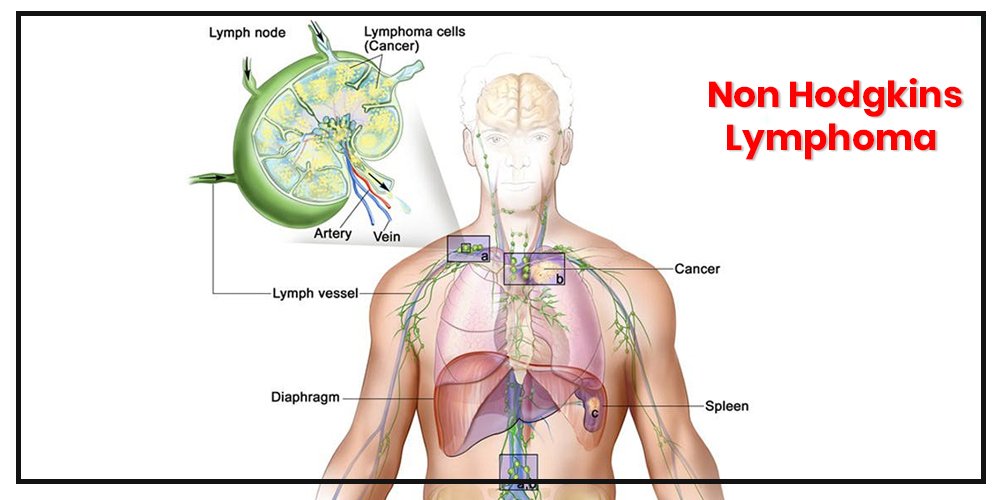
1. What is Non-Hodgkin Lymphoma?
Non-Hodgkin Lymphoma (NHL) is a diverse group of blood cancers that originate in the lymphatic system, which is part of the body’s immune system. Unlike Hodgkin lymphoma, NHL does not involve Reed-Sternberg cells. NHL can occur in lymph nodes, spleen, bone marrow, or other organs and tissues.
2. Types of Non-Hodgkin Lymphoma
NHL is categorized into several subtypes based on the type of lymphocyte (a type of white blood cell) that is affected and the pattern of growth. The two main types are:
B-cell Lymphomas: The most common type of NHL, originating from B-lymphocytes. Examples include:
- Diffuse Large B-Cell Lymphoma (DLBCL): An aggressive form of NHL that grows rapidly.
- Follicular Lymphoma: A slower-growing form, often considered indolent.
- Mantle Cell Lymphoma: Typically an aggressive form with a varied prognosis.
- Burkitt Lymphoma: A very aggressive type that often affects children and young adults.
T-cell Lymphomas: Less common, originating from T-lymphocytes. Examples include:
- Peripheral T-Cell Lymphoma: Includes several subtypes like Angioimmunoblastic T-Cell Lymphoma.
- Cutaneous T-Cell Lymphoma: Affects the skin and may present as patches or tumors.
3. Symptoms of Non-Hodgkin Lymphoma
Symptoms can vary widely depending on the subtype and stage of NHL but commonly include:
- Swollen, painless lymph nodes in the neck, armpits, or groin
- Unexplained weight loss
- Persistent fever or night sweats
- Fatigue or weakness
- Itchy skin or rash
- Abdominal pain or swelling (if the lymphoma affects the abdomen)
- Shortness of breath or chest pain (if the lymphoma affects the chest area)
4. Diagnosis of Non-Hodgkin Lymphoma
Diagnosing NHL typically involves:
- Medical History and Physical Exam: Assessment of symptoms and physical examination for swollen lymph nodes or other signs.
- Blood Tests: Complete blood count (CBC) and other tests to check for abnormal blood cell levels or markers.
- Imaging Tests: CT scans, PET scans, or MRIs to detect tumors or enlarged lymph nodes.
- Lymph Node Biopsy: Removal and examination of a lymph node to confirm the presence of cancer cells.
- Bone Marrow Biopsy: Examination of bone marrow for cancer cells if needed.
5. Treatment Options for Non-Hodgkin Lymphoma
Treatment for NHL varies based on the type, stage, and patient’s overall health, and may include:
- Chemotherapy: Uses drugs to kill or inhibit the growth of cancer cells. It’s often the primary treatment for many types of NHL.
- Radiation Therapy: Targets specific areas with high-energy rays to kill cancer cells. It may be used in combination with chemotherapy or for localized disease.
- Immunotherapy: Boosts or modifies the immune system to better target and attack cancer cells. This includes monoclonal antibodies and CAR-T cell therapy.
- Targeted Therapy: Uses drugs that specifically target cancer cells or the environment around them, such as inhibitors of specific proteins.
- Stem Cell Transplant: Replaces damaged bone marrow with healthy stem cells to restore normal blood cell production. It may be used after high-dose chemotherapy.
- Hormone Therapy: Sometimes used for specific subtypes of NHL that are hormone-sensitive.
6. Support and Coping
Managing NHL involves more than just medical treatment; emotional and practical support is crucial:
- Medical Team: Regular consultations with oncologists, hematologists, and other specialists.
- Support Groups: Joining groups for people with NHL can provide emotional support and practical advice.
- Counseling and Therapy: Professional counseling can help cope with the emotional challenges of cancer.
- Lifestyle Adjustments: Maintain a healthy diet, exercise as advised by your doctor, and engage in activities that support mental well-being.
7. Research and Advances
Ongoing research continues to enhance the understanding and treatment of NHL. Clinical trials may offer access to new therapies and contribute to improved outcomes. Staying informed about the latest advancements can provide hope and new treatment options.
8. Conclusion
Non-Hodgkin Lymphoma is a complex and varied disease with a range of treatment options and support mechanisms available. Early diagnosis and personalized treatment plans play a critical role in managing the condition effectively. If you or someone you know is facing NHL, work closely with healthcare professionals to develop a comprehensive treatment strategy and seek out supportive resources to navigate this challenging journey.