

Overview: Bone marrow cancer refers to cancers that start in the bone marrow, the spongy tissue inside some bones where blood cells are produced. The main types of bone marrow cancer include multiple myeloma, leukemia, and lymphoma, each affecting the bone marrow in different ways.
Types of Bone Marrow Cancer:
Multiple Myeloma:
- Description: A cancer of plasma cells, a type of white blood cell responsible for producing antibodies. Abnormal plasma cells multiply in the bone marrow, leading to bone damage, immune system impairment, and other complications.
- Symptoms: Bone pain (especially in the spine or chest), fatigue, frequent infections, anemia, kidney dysfunction, high calcium levels.
Leukemia:
- Description: A group of cancers that start in the bone marrow and lead to the production of large numbers of abnormal white blood cells. These cells interfere with the production of normal blood cells.
- Types: Acute lymphocytic leukemia (ALL), acute myeloid leukemia (AML), chronic lymphocytic leukemia (CLL), chronic myeloid leukemia (CML).
- Symptoms: Fatigue, frequent infections, easy bruising or bleeding, weight loss, swollen lymph nodes, fever, bone or joint pain.
Lymphoma:
- Description: A cancer of the lymphatic system, which can involve the bone marrow. Lymphomas are divided into Hodgkin lymphoma and non-Hodgkin lymphoma.
- Symptoms: Swollen lymph nodes, fever, night sweats, weight loss, fatigue, itching, bone pain.
Risk Factors:
- Genetic Predisposition: Family history of bone marrow cancers or genetic syndromes.
- Exposure to Radiation or Chemicals: Previous exposure to high doses of radiation or certain chemicals like benzene.
- Age: Risk increases with age, particularly for multiple myeloma and certain types of leukemia.
- Immune System Disorders: Having conditions that weaken the immune system.
- Previous Cancer Treatment: Past chemotherapy or radiation therapy for other cancers.
Diagnosis:
- Blood Tests: Complete blood count (CBC) to check levels of blood cells.
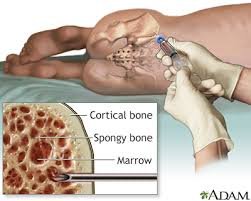
- Bone Marrow Biopsy: Removal of a sample of bone marrow to look for cancer cells.
- Imaging Tests: X-rays, CT scans, MRI, or PET scans to detect bone damage or other abnormalities.
- Urine Tests: To check for abnormal proteins produced by myeloma cells (Bence Jones proteins).
Treatment Options:
- Chemotherapy: Using drugs to kill cancer cells.
- Radiation Therapy: Using high-energy rays to destroy cancer cells.
- Stem Cell Transplant: Replacing diseased bone marrow with healthy stem cells, which can be autologous (from the patient) or allogeneic (from a donor).
- Targeted Therapy: Drugs or other substances that specifically attack cancer cells with minimal harm to normal cells.
- Immunotherapy: Boosting the body’s natural defenses to fight cancer.
- Surgery: Rarely used but may be necessary to remove tumors or treat complications.
Managing Symptoms and Side Effects:
- Pain Management: Medications and therapies to manage bone pain.
- Infection Prevention: Prophylactic antibiotics and immune-boosting treatments.
- Blood Transfusions: To manage anemia and low blood cell counts.
- Bone Health: Medications like bisphosphonates to strengthen bones and prevent fractures.
Ayurvedic Supportive Care:
Diet and Nutrition:
- Anti-inflammatory Foods: Include turmeric, ginger, garlic, green leafy vegetables, and whole grains.
- Balanced Diet: Emphasize a diet rich in fruits, vegetables, and healthy fats.
Herbal Remedies:
- Ashwagandha (Withania somnifera): Supports overall vitality and stress management.
- Turmeric (Curcuma longa): Contains curcumin, which has anti-inflammatory and antioxidant properties.
- Amalaki (Emblica officinalis): Rich in vitamin C and antioxidants.
Lifestyle Modifications:
- Yoga and Meditation: Practice gentle yoga and meditation to reduce stress and improve mental well-being.
- Pranayama (Breathing Exercises): Engage in deep breathing exercises to enhance lung capacity and reduce stress.
Rasayana Therapy:
- Rejuvenation Therapies: Undergo Rasayana (rejuvenation) therapies to strengthen the body’s resilience and improve overall health.
Important Note:
While Ayurveda can offer supportive care and improve quality of life, it should not replace conventional cancer treatments. Always consult with healthcare professionals and qualified Ayurvedic practitioners before starting any new treatment regimen.
While Ayurvedic treatments can support overall health and well-being, they should complement conventional medical treatments for prostate cancer, not replace them. Always consult with healthcare professionals and qualified Ayurvedic practitioners before starting any new treatment regimen.