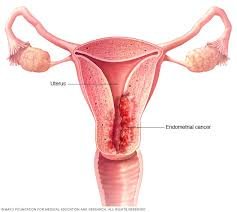
Uterine Cancer
Overview: Uterine cancer, also known as endometrial cancer, originates in the lining of the uterus (the endometrium). It is the most common type of cancer of the female reproductive organs. The majority of uterine cancers are endometrial cancers, but there are also other types, such as uterine sarcomas.
Types of Uterine Cancer:
Endometrial Cancer:
- Description: The most common type, starting in the endometrium (the lining of the uterus).
- Subtypes: Includes various histological types such as endometrioid carcinoma, serous carcinoma, and clear cell carcinoma.
Uterine Sarcoma:
- Description: A rare type of cancer that starts in the muscle or connective tissue of the uterus (the myometrium).
- Subtypes: Includes leiomyosarcoma and endometrial stromal sarcoma.
Risk Factors:
- Hormone Imbalance: High levels of estrogen without the balancing effect of progesterone.
- Obesity: Excess body weight increases the risk of developing uterine cancer.
- Age: Most common in women over 50, particularly after menopause.
- Family History: Family history of uterine, ovarian, or colorectal cancer, especially with genetic syndromes like Lynch syndrome.
- Diabetes: Type 2 diabetes is associated with a higher risk.
- Reproductive History: Never having been pregnant or having a history of infertility.
- Hormone Replacement Therapy (HRT): Use of estrogen-only hormone replacement therapy.
- Polycystic Ovary Syndrome (PCOS): Associated with hormonal imbalances that increase risk.
Symptoms:
- Abnormal Vaginal Bleeding: Bleeding between periods, after menopause, or unusually heavy menstrual periods.
- Pelvic Pain: Pain or discomfort in the pelvic area.
- Pain During Intercourse: Discomfort during sexual activity.
- Unexplained Weight Loss: Significant and unexplained weight loss.
- Abnormal Discharge: Watery or blood-stained discharge from the vagina.
Diagnosis:
- Pelvic Examination: Physical examination to check for abnormalities in the uterus.
- Transvaginal Ultrasound: Imaging to visualize the uterus and measure the thickness of the endometrium.
- Endometrial Biopsy: Removal of a small sample of the endometrium to examine for cancer cells.
- D&C (Dilation and Curettage): A procedure to scrape the uterine lining and obtain tissue for examination.
- Hysteroscopy: A procedure where a thin, lighted tube is inserted through the vagina to view the inside of the uterus.
- Imaging Tests: CT scans, MRI, or PET scans to assess the extent of cancer spread.
Treatment Options:
Surgery:
- Hysterectomy: Removal of the uterus, and possibly the ovaries and fallopian tubes.
- Lymphadenectomy: Removal of lymph nodes to check for cancer spread.
Radiation Therapy:
- High-energy rays are used to kill cancer cells or shrink tumors, often used post-surgery or for advanced cancer.
Chemotherapy:
- Drugs are used to kill cancer cells, often used if cancer has spread beyond the uterus.
Hormone Therapy:
- Medications that alter hormone levels to slow down or stop the growth of hormone-sensitive cancer cells.
Targeted Therapy:
- Drugs or other substances that specifically target cancer cells with minimal damage to normal cells.
Immunotherapy:
- Stimulating the body’s immune system to attack cancer cells.
Preventive Measures:
- Healthy Weight: Maintain a healthy body weight through diet and exercise.
- Hormone Management: Discuss hormone replacement therapy options with your healthcare provider, particularly if you are at high risk.
- Regular Check-ups: Routine gynecological exams and prompt attention to abnormal symptoms.
- Genetic Counseling: For individuals with a family history of cancer or known genetic syndromes.
Ayurvedic Perspective:
Diet and Nutrition:
- Anti-inflammatory Foods: Include turmeric, ginger, garlic, green leafy vegetables, and whole grains.
- Balanced Diet: Emphasize a diet rich in fruits, vegetables, and healthy fats.
Herbal Remedies:
- Ashwagandha (Withania somnifera): Supports overall vitality and stress management.
- Turmeric (Curcuma longa): Contains curcumin, which has anti-inflammatory and antioxidant properties.
- Shatavari (Asparagus racemosus): Known for its reproductive health benefits and hormone balance.
Lifestyle Modifications:
- Yoga and Meditation: Practice yoga and meditation to reduce stress and improve overall well-being.
- Pranayama (Breathing Exercises): Engage in breathing exercises to enhance lung capacity and reduce stress.
Rasayana Therapy:
- Rejuvenation Therapies: Undergo Rasayana (rejuvenation) therapies to strengthen the body’s resilience and improve overall health.
Important Note:
While Ayurvedic treatments can offer supportive care and improve quality of life, they should complement conventional medical treatments for uterine cancer, not replace them. Always consult with healthcare professionals and qualified Ayurvedic practitioners before starting any new treatment regimen.