Anorectal Disorders
Overview: Anorectal disorders are conditions that affect the anus and the rectum. These can range from benign and easily treatable conditions to more severe and chronic illnesses. The anorectal region includes the last part of the digestive tract where the rectum and anus are located.
Common Anorectal Disorders:
Hemorrhoids:
- Description: Swollen and inflamed veins in the rectum and anus that cause discomfort and bleeding.
- Symptoms: Pain, itching, bleeding during bowel movements, and a lump near the anus.
- Treatment: Over-the-counter creams, sitz baths, dietary changes, and sometimes surgical intervention.
Anal Fissures:
- Description: Small tears in the lining of the anus.
- Symptoms: Severe pain during bowel movements, bleeding, and itching.
- Treatment: Topical anesthetics, stool softeners, increased fiber intake, and warm baths.
Anal Abscess and Fistula:
- Description: An abscess is a pocket of pus caused by infection, and a fistula is a small tunnel that forms from the abscess to the skin around the anus.
- Symptoms: Pain, swelling, redness, fever, and discharge of pus.
- Treatment: Drainage of the abscess, antibiotics, and surgery to repair the fistula.
Rectal Prolapse:
- Description: When part of the rectum protrudes through the anus.
- Symptoms: A bulge outside the anus, fecal incontinence, and discomfort.
- Treatment: Surgery is often required to repair the prolapse.
Anal Itching (Pruritus Ani):
- Description: Persistent itching around the anus.
- Symptoms: Itching, burning, and irritation.
- Treatment: Good hygiene, avoiding irritants, topical treatments, and addressing underlying causes like infections or hemorrhoids.
Anal Warts:
- Description: Growths caused by the human papillomavirus (HPV) around the anus.
- Symptoms: Small bumps around the anus, itching, and discomfort.
- Treatment: Topical treatments, cryotherapy, or surgical removal.
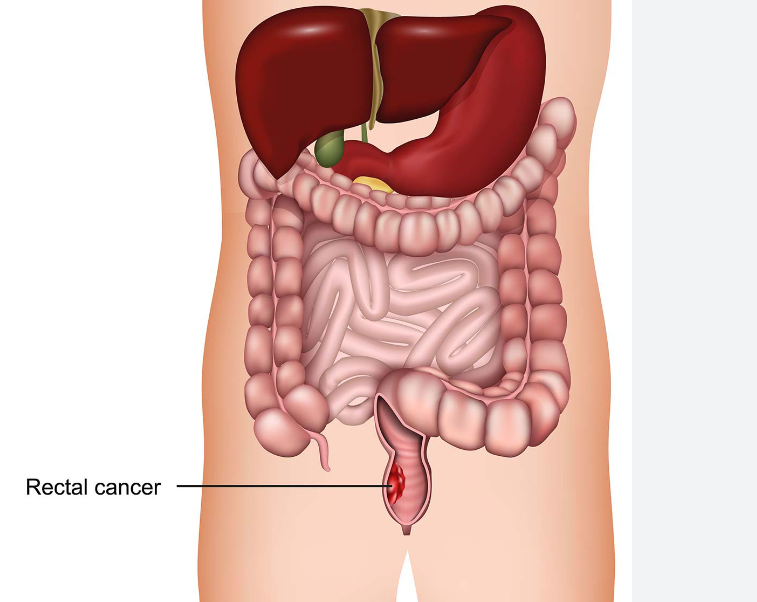
Anorectal Cancer:
- Description: Cancer that starts in the rectum or anus.
- Symptoms: Rectal bleeding, pain, changes in bowel habits, and lumps.
- Treatment: Surgery, chemotherapy, radiation therapy, and targeted therapy.
Fecal Incontinence:
- Description: The inability to control bowel movements, leading to involuntary leakage of stool.
- Symptoms: Uncontrolled leakage of stool.
- Treatment: Dietary changes, pelvic floor exercises, medications, and sometimes surgery.
Diagnosis:
- Physical Examination: Including a digital rectal exam (DRE) to check for abnormalities.
- Anoscopy: A procedure where a small tube with a light is used to look inside the anus.
- Sigmoidoscopy or Colonoscopy: To examine the lower part of the colon and rectum for polyps, cancer, or other abnormalities.
- Imaging Tests: Such as MRI or CT scans to get detailed images of the anorectal region.
- Biopsy: Taking a small tissue sample for laboratory analysis, particularly if cancer is suspected.
Treatment Options:
Lifestyle Changes:
- Dietary Adjustments: Increasing fiber intake to prevent constipation and straining.
- Hydration: Drinking plenty of water.
- Hygiene: Maintaining good anal hygiene to prevent irritation and infections.
Medications:
- Topical Treatments: Creams, ointments, or suppositories for conditions like hemorrhoids or anal fissures.
- Oral Medications: Pain relievers, laxatives, or antibiotics depending on the condition.
Surgical Interventions:
- Hemorrhoidectomy: Surgical removal of severe hemorrhoids.
- Fistulotomy: Surgery to repair anal fistulas.
- Prolapse Surgery: Procedures to fix rectal prolapse.
- Cancer Surgery: Removing cancerous tumors or affected tissues.
Ayurvedic Perspective:
Diet and Nutrition:
- High-Fiber Diet: Include plenty of fruits, vegetables, whole grains, and legumes to ensure smooth bowel movements.
- Hydration: Drink ample water to keep stools soft.
- Avoid Spicy Foods: Reduce intake of spicy and fried foods which can irritate the anorectal area.
Herbal Remedies:
- Triphala: A combination of three fruits used to improve digestion and relieve constipation.
- Aloe Vera: Known for its soothing properties, can be used topically for relief from hemorrhoids and fissures.
- Turmeric: Its anti-inflammatory properties can help in reducing swelling and pain.
Lifestyle Modifications:
- Regular Exercise: Helps in maintaining a healthy digestive system.
- Yoga and Meditation: To reduce stress and improve overall well-being.
- Sitz Baths: Warm water baths to soothe anal discomfort and promote healing.
Ayurvedic Therapies:
- Abhyanga (Oil Massage): Regular oil massage can help in improving circulation and reducing inflammation.
- Basti (Enema Therapy): Medicated enemas to cleanse the colon and promote healthy bowel movements.
Important Note:
While Ayurvedic treatments can offer supportive care and improve quality of life, they should complement conventional medical treatments for anorectal disorders, not replace them. Always consult with healthcare professionals and qualified Ayurvedic practitioners before starting any new treatment regimen.