
What Is CYCT PCOS CANCER
1. CYCT: This is not a standard medical term. It might be a typo or abbreviation. If you meant cyst, it’s a fluid-filled sac that can develop in various parts of the body, often benign but sometimes indicative of more serious conditions.
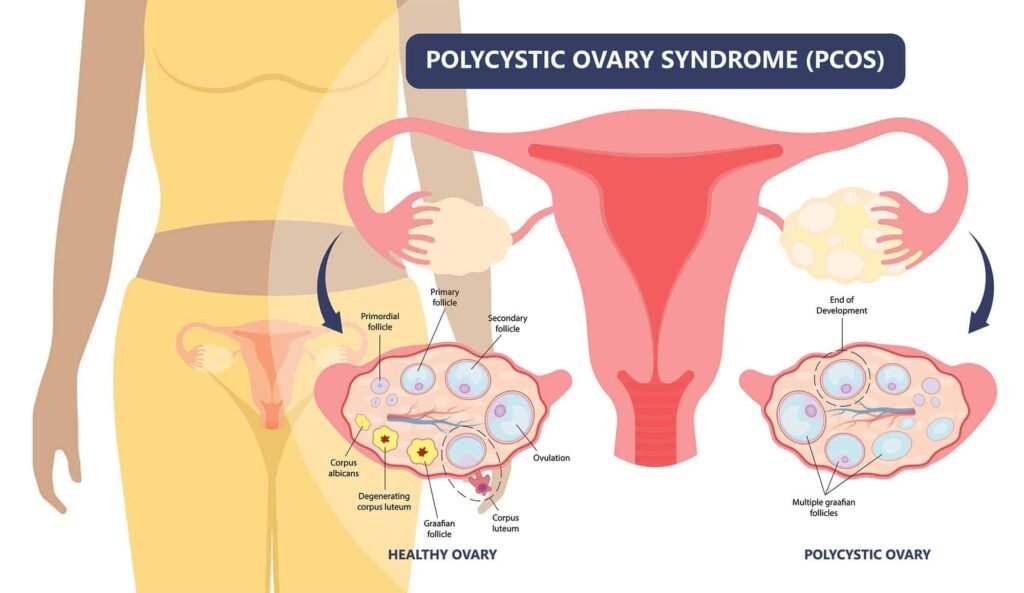
2. PCOS (Polycystic Ovary Syndrome): A hormonal disorder common among women of reproductive age. It involves irregular menstrual periods, excess androgen levels, and polycystic ovaries. Women with PCOS often have multiple small cysts on their ovaries, which can lead to symptoms like irregular periods, acne, hair growth, and infertility.
3. Cancer: A broad term for a range of diseases involving abnormal cell growth with the potential to invade or spread to other parts of the body. There are many types of cancer, each with varying causes, symptoms, and treatments.
If you provide more context or specific details, I can give you more precise information.
Risk Factors and Symptoms
Risk Factors:
1. Genetics: Family history of PCOS.
2. Insulin Resistance: Many women with PCOS have insulin resistance, leading to higher insulin levels.
3. Obesity: Being overweight or obese can exacerbate insulin resistance and symptoms of PCOS.
4. Hormonal Imbalance: Elevated levels of androgens (male hormones) can contribute to PCOS.
Symptoms:
1. Irregular Menstrual Cycles: Infrequent, irregular, or prolonged menstrual cycles.
2. Excess Hair Growth:Often on the face and body (hirsutism).
3. Acne: Severe acne or skin problems.
4. Weight Gain: Especially around the abdomen.
5. Hair Thinning:Hair loss on the scalp.
6. Polycystic Ovaries: Enlarged ovaries with multiple small cysts visible on ultrasound.
7. Fertility Issues: Difficulty getting pregnant due to irregular ovulation or anovulation.
Cancer
Risk Factors (General, as they can vary by cancer type):
1. Genetics: Family history of cancer.
2. Age: Risk increases with age.
3. Lifestyle Factors: Smoking, alcohol use, poor diet, and lack of physical activity.
4. Environmental Factors: Exposure to certain chemicals and radiation.
5. Infections: Certain infections like HPV (human papillomavirus) are linked to cancer.
6. Chronic Inflammation: Long-term inflammation in the body.
7. Hormones: Hormonal imbalances or hormone replacement therapies.
Symptoms (General, as they can vary by cancer type):
1. Unexplained Weight Loss: Sudden weight loss without trying.
2. Fatigue: Extreme tiredness that doesn’t get better with rest.
3. Pain: Persistent pain, such as headaches or back pain.
4. Skin Changes: Changes in skin color, sores that don’t heal, or changes in moles.
5. Changes in Bowel or Bladder Habits:Persistent changes in bowel movements or urination.
6. Unusual Bleeding or Discharge: Including in stools, urine, or from the nipples.
7. Lumps or Thickening: Any noticeable lump or mass in any part of the body.
8. Difficulty Swallowing or Persistent Cough: Especially if it lasts for a long time or gets worse.
Cysts
While the term “cyst” itself doesn’t specifically relate to a disease, cysts can occur in various parts of the body and can be associated with certain conditions.
Common Locations and Symptoms:
1. Ovarian Cysts: Often related to PCOS. Symptoms can include pelvic pain, bloating, and irregular periods.
2. Breast Cysts: Can cause lumps in the breast that may be painful.
3. Skin Cysts: Can form under the skin and may cause a visible lump.
4. Kidney Cysts: May not cause symptoms but can lead to pain or complications if they rupture or become infected.
For any concerns about PCOS, cysts, or cancer, it’s important to consult with a healthcare professional for accurate diagnosis and appropriate treatment.
Ayurvedic Treatment
Ayurveda, an ancient system of medicine from India, offers various treatments for conditions like PCOS and certain approaches to managing symptoms and promoting overall health. While it’s essential to consult with a qualified Ayurvedic practitioner for personalized treatment, here are some general Ayurvedic approaches:
Ayurvedic Treatment for PCOS
1. Diet and Nutrition:
– Balancing Doshas: Focus on a diet that balances Vata, Pitta, and Kapha doshas.
– Fresh and Whole Foods: Emphasize fresh fruits, vegetables, whole grains, and lean proteins.
– Avoid Processed Foods: Limit intake of processed foods, sugary snacks, and refined grains.
– Herbal Teas: Incorporate herbal teas like spearmint and cinnamon, which may help balance hormones.
– Healthy Fats: Include healthy fats like ghee, sesame oil, and coconut oil.
2. Herbal Remedies:
– Shatavari (Asparagus racemosus):Supports reproductive health and hormonal balance.
– Ashwagandha (Withania somnifera): Helps manage stress and supports endocrine function.
– Guduchi (Tinospora cordifolia): Detoxifies and supports the immune system.
– Cinnamon: May help regulate menstrual cycles and improve insulin sensitivity.
– Fenugreek: May help balance hormones and manage insulin resistance.
3. Lifestyle Modifications:
– Regular Exercise: Engage in moderate exercise like yoga, walking, and swimming to maintain a healthy weight.
– **Stress Management:** Practice stress-reducing techniques like meditation, deep breathing, and pranayama.
– **Sleep:** Ensure adequate and restful sleep to support hormonal balance.
4. Panchakarma (Detoxification):
– Purification Therapies: Undergo Panchakarma therapies like Vamana (therapeutic vomiting), Virechana (purgation), and Basti (enema) under the guidance of an Ayurvedic practitioner to detoxify the body.
Ayurvedic Approach to Cancer (Supportive Care)
While Ayurveda cannot cure cancer, it can offer supportive care to manage symptoms and improve quality of life. Always consult with an oncologist for primary cancer treatment.
1. Diet and Nutrition:
– Anti-inflammatory Foods: Emphasize anti-inflammatory foods like turmeric, ginger, and green leafy vegetables.
– Balanced Diet: Maintain a balanced diet with fresh, whole foods to support the immune system.
2. Herbal Remedies:
– Turmeric (Curcuma longa):Contains curcumin, which has anti-inflammatory and antioxidant properties.
– Ashwagandha (Withania somnifera): Supports overall vitality and stress management.
– Amalaki (Emblica officinalis): Rich in vitamin C and antioxidants.
3. Lifestyle Modifications:
– Yoga and Meditation: Practice gentle yoga and meditation to reduce stress and improve mental well-being.
– Pranayama (Breathing Exercises): Engage in deep breathing exercises to enhance lung capacity and reduce stress.
4. Rasayana Therapy:
– Rejuvenation Therapies: Undergo Rasayana (rejuvenation) therapies to strengthen the body’s resilience and improve overall health.
Ayurvedic Treatment for Cysts
1. Herbal Remedies:
– Guggul (Commiphora mukul): Known for its anti-inflammatory and lipid-lowering properties.
– Kanchanar Guggulu: A traditional Ayurvedic formulation used to manage cysts and tumors.
2. Dietary Recommendations:
– Anti-inflammatory Diet: Follow an anti-inflammatory diet to reduce inflammation and support healing.
– Avoid Excess Fat and Dairy: Limit intake of fatty and dairy products that may exacerbate cysts.
3. Lifestyle Modifications:
– Exercise: Engage in regular physical activity to maintain a healthy weight and improve circulation.
– Stress Management: Practice stress-relief techniques like yoga and meditation.
Important Note
Ayurvedic treatments should complement conventional medical care, not replace it. Always consult with healthcare professionals and qualified Ayurvedic practitioners before starting any new treatment regimen.